 Article
Office Equipment Leasing vs. Purchasing: Making the Right Financial Decision
Understanding the Financial Landscape
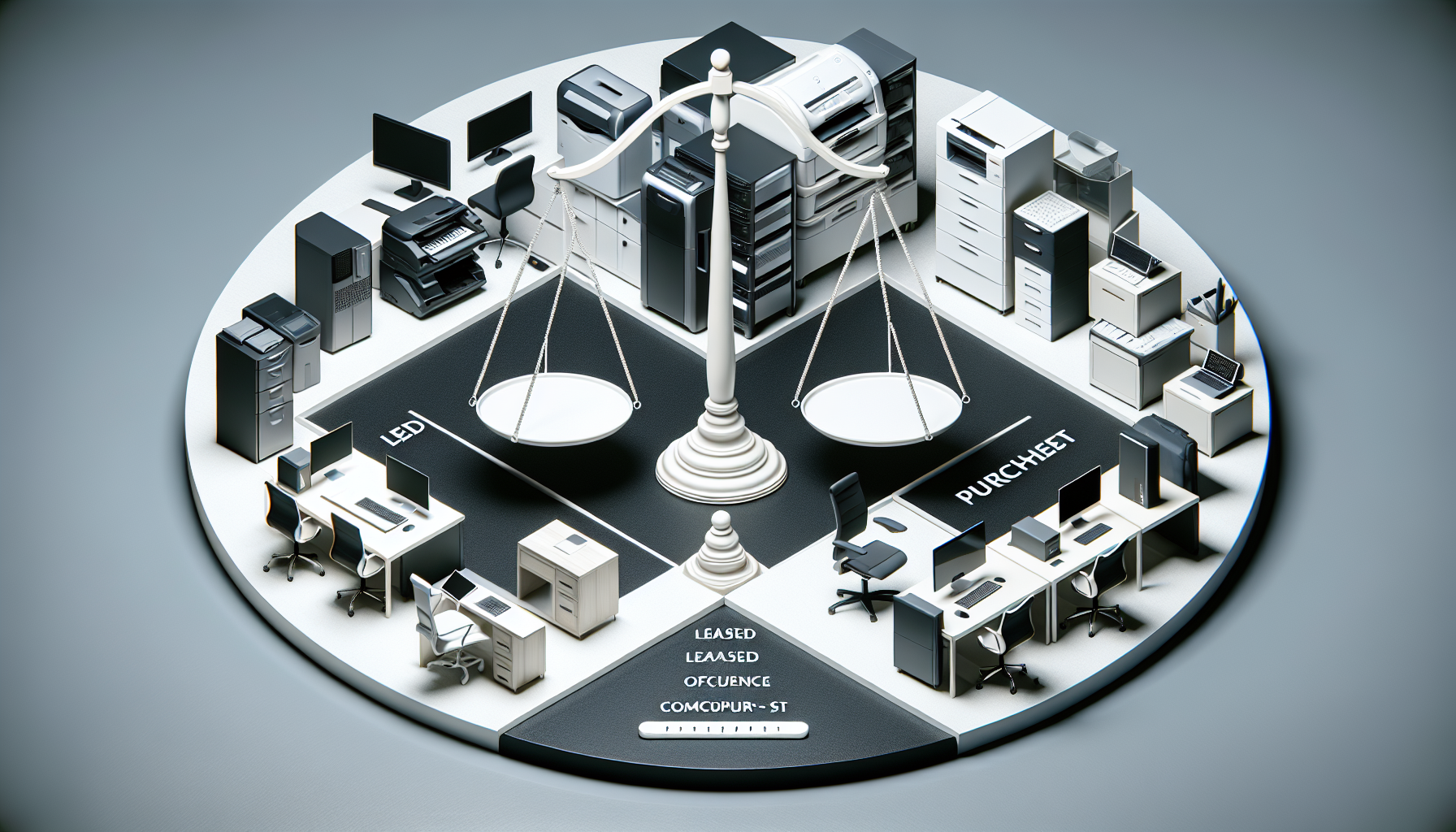
When businesses need office equipment like copiers, printers, and multifunction devices, the decision between leasing and purchasing extends far beyond simple cost comparison. Each option presents distinct financial advantages and considerations that can significantly impact your company's bottom line, cash flow management, and long-term operational strategy. For growing businesses, understanding these financial implications is crucial for maintaining healthy working capital while ensuring access to reliable, up-to-date equipment.
The Case for Equipment Leasing
Leasing office equipment offers several compelling financial advantages, particularly for cash flow management and operational flexibility. Monthly lease payments are typically fully tax-deductible as business expenses, providing immediate tax benefits without the complexity of depreciation schedules. This approach preserves working capital by eliminating large upfront purchases, allowing businesses to allocate funds toward core operations, inventory, or growth initiatives. Additionally, leasing agreements often include maintenance and service provisions, creating predictable monthly expenses that simplify budgeting and reduce unexpected repair costs.
The Benefits of Equipment Purchasing
Purchasing office equipment outright provides long-term cost advantages and complete ownership benefits that appeal to established businesses with strong cash positions. While the initial capital investment is substantial, ownership eliminates ongoing monthly payments and provides equity in depreciating assets. Businesses can take advantage of Section 179 deductions and bonus depreciation, potentially writing off the entire purchase price in the first year. Ownership also provides complete control over equipment modifications, usage policies, and disposal timing, making it attractive for companies with stable, long-term facility commitments and predictable equipment needs.
Evaluating Total Cost of Ownership
A comprehensive financial analysis must consider factors beyond monthly payments or purchase prices to determine the true cost of each option. Leasing typically results in higher total costs over the equipment's useful life but provides access to newer technology through regular upgrade cycles and includes service support. Purchasing involves lower lifetime costs but requires budgeting for maintenance, repairs, and eventual replacement. Businesses should evaluate their equipment usage patterns, technology refresh requirements, and available capital to determine which approach aligns with their financial objectives and operational needs.
Making the Strategic Choice
The optimal decision between leasing and purchasing depends on your company's financial position, growth trajectory, and strategic priorities rather than a one-size-fits-all approach. Fast-growing businesses or those with limited capital often benefit from leasing's flexibility and cash flow advantages, while established companies with strong balance sheets may prefer the long-term savings of ownership. Consider factors such as your current cash position, tax situation, equipment usage intensity, and technology advancement pace in your industry. Consulting with financial advisors and equipment specialists can provide valuable insights to ensure your decision supports both immediate operational needs and long-term business objectives.
Have Questions?
Our team is here to help with all your office equipment supplier needs.
Contact Us